
32 Combat Engineer Regiment
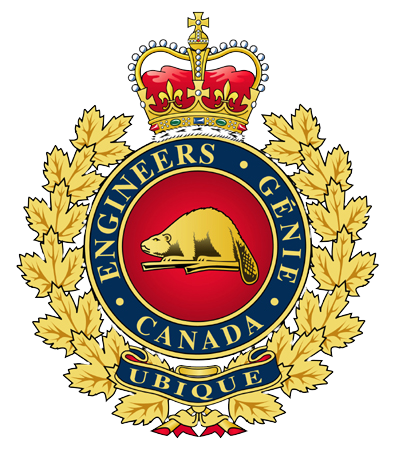
32 Combat Engineer Regiment (32 CER) carries a lineage that stretches back to the early 1900s, when independent engineer companies were established across Ontario to support Canadian militia formations. Over several decades, these field companies evolved through multiple reorganizations, providing specialized engineering skills including bridging, obstacle construction, demolitions, and field works.
A major milestone came in 1936, when several engineer units were consolidated to create a more unified structure for military engineering in the Toronto area. During the Second World War, engineers from these predecessor units contributed to key operations overseas, supporting Canadian forces in Europe with mine clearance, water supply, infrastructure repair, and mobility tasks essential to Allied advances.
After the war, the unit continued to modernize, eventually becoming part of the reserve engineer formation supporting what is now 32 Canadian Brigade Group. In 2006, the regiment received the name 32 Combat Engineer Regiment, aligning it with current Army organizational standards and solidifying its role within the Canadian Military Engineers.
32 CER’s members have supported domestic operations such as flood response, ice storms, and major event security tasks, often working alongside municipal and federal agencies. Internationally, its soldiers have deployed to missions in Bosnia, Kosovo, Afghanistan, and the Middle East, providing engineering expertise in both combat and reconstruction environments.
Today, the regiment consists of two primary sub-units—2 Field Squadron and 47 Field Squadron—and continues to train combat engineers capable of supporting mobility, survivability, and engineering tasks for operations at home and abroad. Its history reflects over a century of technical skill, adaptability, and service to Canada.